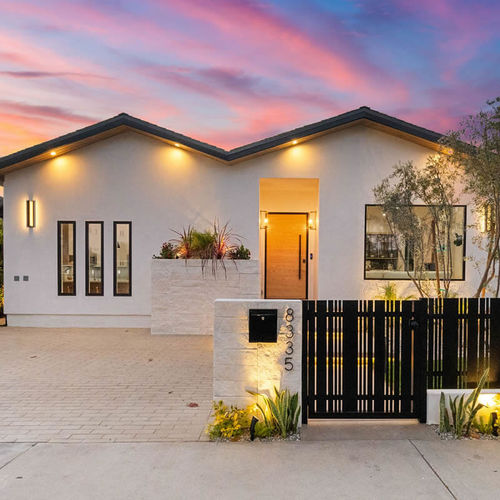


San Diego homeowners lose an average of $47,000 when they sell their homes without proper preparation, and frankly, most of these losses stem from five predictable mistakes that keep repeating across neighborhoods from La Jolla to Chula Vista. The 2025-2026 market forecast shows inventory levels stabilizing while buyer preferences shift toward energy-efficient features and flexible living spaces, making informed decision-making more critical than ever for sellers who want to maximize their returns. This guide breaks down the exact missteps that cost homeowners serious money - from overpricing based on emotional attachment to ignoring what modern buyers actually care about when they walk through your front door. You'll learn how to spot these pitfalls before they drain your equity, discover which affordable upgrades deliver the biggest bang for your buck, and understand why ADUs have become game-changers in certain San Diego submarkets. We'll also cover how outdated marketing approaches can make even stunning properties sit on the market longer than necessary, costing you money in carrying costs and forcing eventual price reductions. The real estate game has specific rules, and breaking them usually means leaving money on the table that could have stayed in your pocket with some basic preparation and strategy. Ready to find out which of these costly mistakes might be lurking in your selling plan?
Understanding Buyer Priorities
Modern purchasers have fundamentally altered their approach to home selection, moving away from flashy features toward properties that enhance daily routines and provide sustainable returns. "What these neighborhoods shared was not price point alone, but practical day-to-day livability" reflects this new mindset where buyers examine how a property fits their actual lifestyle rather than their aspirational one. The pandemic accelerated this transformation, but the trend has solidified into a permanent shift where functionality trumps superficial appeal.
Key Factors in Buyer Decision-Making
Geographic positioning has become the non-negotiable element that determines whether properties sell quickly or languish on the market. "Buyers in 2025 were often willing to compromise on size or upgrades, but far less willing to compromise on location" demonstrates how purchasers now weigh neighborhood benefits against property features. Remote work flexibility means buyers can consider areas previously ruled out by commute constraints, yet they still demand reasonable access to employment hubs when needed.
Transit corridors, walkable amenities, and proximity to major employers like UCSD, Qualcomm, and the biotech clusters in Torrey Pines have become primary considerations. Buyers calculate drive times to multiple destinations rather than focusing solely on one workplace, recognizing that career changes might require different commute patterns. The trolley expansion and improved bus routes have made previously overlooked neighborhoods suddenly attractive to buyers who want car-free options for daily errands.
High-Priority Features
Today's buyers scrutinize specific elements that directly impact their quality of life and monthly expenses:
Smart home technology, updated HVAC systems, and modern insulation also rank high because buyers want to move in without facing immediate repair bills. Electric vehicle charging capabilities have shifted from luxury feature to standard expectation, particularly in neighborhoods with younger demographics or tech workers.
Targeting these specific preferences allows sellers to position their properties strategically rather than guessing what might appeal to potential buyers. "In 2026, buyers are likely to prioritize functionality, commute flexibility, and long-term value over prestige alone" confirms that practical benefits outweigh status symbols. Properties that deliver measurable improvements to daily life - shorter commutes, lower utility bills, better work-from-home setups - consistently attract multiple offers and sell above asking price.
Pricing with Data Not Emotion
Homeowners who attach sentimental value to their properties often sabotage their own sales by inflating asking prices beyond what the market will bear. This emotional approach treats homes like family heirlooms rather than financial assets, leading to extended market time and inevitable price cuts that signal desperation to potential buyers. The current San Diego market operates with mathematical precision - buyers have access to the same sold data that agents use, making overpriced listings immediately obvious and easily dismissed.
The Cost of Wishful Thinking
Market discipline has intensified as buyers become increasingly sophisticated about property values and financing constraints. Homes that align with current buyer expectations are more likely to sell without prolonged price reductions, while properties priced above recent comparable sales sit stagnant regardless of their actual quality or features. The median sold price in Del Mar is $3,500,000, yet many sellers still list properties based on peak market memories or neighbor gossip rather than current transaction data.
Interest rate fluctuations compound the problem because buyers calculate monthly payments before they even schedule showings. A property priced $50,000 above comparable sales might seem like a minor premium to sellers, but it translates to hundreds of dollars in additional monthly payments that push buyers beyond their comfort zones. Homes are selling for approximately 94% of their asking price, which means even accurately priced properties face some negotiation pressure.
Real-World Market Performance
Three recent scenarios demonstrate how analytical pricing strategies outperform emotional approaches in generating actual sales. A Pacific Beach condo owner initially listed at $899,000 based on a neighbor's sale from six months earlier, then reduced to $849,000 after thirty days with no offers, and finally sold at $825,000 after analyzing recent comparable sales that averaged $820,000. The seller lost three months of carrying costs and accepted less than market value due to the stigma of multiple price reductions.
Conversely, a Hillcrest home seller studied recent sales within a two-block radius, priced their property at $1,185,000 despite hoping for $1,250,000, and received four offers within ten days with a final sale price of $1,195,000. The analytical approach generated competition and a premium above asking price. A third example involved a La Mesa property where the seller used recent sold data to price at $775,000, received multiple offers on the first weekend, and closed at $792,000 without any inspection repairs or concessions.
Market Intelligence Drives Results
Analyzing sold data from the past sixty days provides the most accurate foundation for pricing decisions because market conditions shift rapidly in response to interest rate changes and seasonal buying patterns. List prices alone may give an inaccurate impression of what's selling in this market, making sold transactions the only reliable benchmark for setting competitive asking prices. Single-family homes have a median sale price of $4.21 million while condos and townhomes have a median sale price of $1.96 million, showing significant variation between property types that emotional pricing often ignores.
Accessing multiple listing service data through qualified agents reveals the complete picture of days on market, price reduction history, and final negotiated terms that public websites cannot provide. Properties that sell quickly typically price within 2-3% of recent comparable sales, while homes that linger beyond thirty days usually started 8-12% above market value and face mounting pressure to reduce prices below their optimal selling point.
Maximizing ADU Potential
Secondary housing units on residential lots have transformed San Diego's approach to property investment and family accommodation, creating opportunities that didn't exist just five years ago. "ADUs are a smart solution for homeowners looking to increase property value, generate rental income, or create flexible living space for family members" reflects how these structures address multiple housing challenges simultaneously. Rising construction costs and limited developable land make existing lot utilization more attractive than purchasing separate investment properties, particularly when zoning changes have simplified the approval process for most residential areas.
The financial mathematics work especially well in San Diego's rental market where housing demand consistently outpaces supply. "Many homeowners see returns on their ADU investment within 7–10 years through rental income and increased property value" demonstrates the concrete timeline for recouping construction expenses through monthly rent collection. Neighborhoods near UCSD, downtown employment centers, and transit corridors command premium rental rates that can cover significant portions of primary mortgage payments while building long-term equity through property appreciation.
However, several costly missteps repeatedly sabotage these potential benefits and create headaches that persist long after construction completion:
Marketing these units requires different strategies than traditional home sales because buyers evaluate both the primary residence and the income-generating potential of the secondary unit. Professional photography should capture each space independently while demonstrating how the units maintain privacy and separate access points. Rental history documentation proves income potential more effectively than theoretical rent estimates, so maintaining detailed records of any rental activity strengthens the property's appeal to investment-minded buyers.
Staging both units simultaneously allows potential purchasers to envision the lifestyle possibilities - whether multigenerational living arrangements or pure investment scenarios. "Because ADUs are self-contained units, they also make properties more attractive to future buyers who may be looking for multigenerational living options or rental potential" confirms that flexibility appeals to diverse buyer motivations. Highlighting utility separation, independent entrances, and parking arrangements addresses practical concerns that buyers immediately consider when evaluating these properties.
Presenting detailed financial projections based on current market rents helps buyers understand the investment component beyond the residential appeal. Documentation should include recent comparable rental rates for similar units in the neighborhood, utility cost breakdowns, and maintenance expense estimates that provide realistic expectations for ongoing property management responsibilities.
I notice that the source link and source content summary fields are empty. Without knowing what the source contains, I cannot identify relevant text to hyperlink. Please provide the source link and source content summary so I can add appropriate external linking to the section.
Timing Your Sale Smartly
Calendar positioning determines whether your San Diego property sells within days or lingers for months, yet many homeowners treat listing dates like random lottery picks rather than strategic business decisions. The difference between launching in peak season versus off-season can mean $30,000 to $50,000 in final sale proceeds, not to mention the psychological advantage of multiple offers versus extended market exposure that signals desperation to potential buyers.
Market Trends and Seasonal Patterns
Spring emerges as the undisputed champion for home sales activity, with "March through May" representing the sweet spot when buyer enthusiasm peaks across all San Diego neighborhoods. Spring is typically the most active and competitive time to sell a home in San Diego because multiple factors converge - corporate relocations finalize, families plan moves before school starts, and the weather invites weekend house hunting adventures. "This season also aligns with job relocations, school planning for the next academic year, and a natural uptick in overall real estate activity" that creates bidding wars and drives prices above asking levels.
Summer maintains momentum from spring's energy, though seller competition intensifies as inventory swells with properties that missed the spring rush. "Summer in San Diego continues much of the energy from spring, with steady buyer activity and strong pricing in many neighborhoods" but requires more aggressive marketing to stand out among increased options. Coastal properties particularly benefit during these months when San Diego's beach lifestyle becomes most appealing to out-of-state buyers.
Fall presents a strategic opportunity that many sellers overlook, especially "September through October" when serious buyers return from vacation mode. "Early fall can still be a strong time to sell, especially in San Diego's urban and coastal neighborhoods" because motivated purchasers who struck out during summer become more decisive about making offers. "Many aim to move before the holiday season or year-end tax changes" which creates urgency that benefits sellers willing to accommodate faster closing timelines.
Winter defies conventional real estate wisdom in San Diego's temperate climate, offering unique advantages for sellers who can stomach reduced foot traffic. "Winter is traditionally seen as the 'off-season' for home sales, but in San Diego, that trend is more muted" compared to markets with harsh weather conditions. "Less inventory means reduced competition" while buyers who brave holiday house hunting tend to be exceptionally motivated - corporate relocations, investors with year-end capital, or families with specific move-in deadlines.
Impact of Interest Rates
Borrowing costs function like a volume dial for buyer activity, turning crowds into trickles or creating feeding frenzies depending on Federal Reserve decisions. "If mortgage interest rates are low, more buyers can qualify for higher-priced homes, which may boost your potential buyer pool and sale price" by expanding the universe of qualified purchasers who can afford your property. Rate drops of even half a percentage point can add $200-300 to monthly payment capacity, effectively increasing buyer budgets by $40,000-60,000 in purchase power.
Rising rates create the opposite effect, shrinking buyer pools and forcing sellers to compete more aggressively on price and terms. Properties that might have attracted fifteen showings at 6% rates may see only five serious buyers when rates climb to 7%, fundamentally altering negotiation dynamics and timeline expectations.
Strategic Timing Tactics
Successful sellers coordinate multiple variables rather than relying solely on seasonal patterns to drive results:
Coordinating these elements requires advance planning rather than impulse decisions based on immediate market conditions. "Consulting with a local real estate expert can help you evaluate timing, pricing, and preparation so you can enter the market with confidence" because professionals track multiple data sources that individual sellers cannot monitor effectively. Rate environment, seasonal buyer patterns, and local inventory levels shift constantly, making expert guidance essential for optimal timing decisions that maximize both speed and profit potential.
Final Thoughts
Selling your San Diego home doesn't have to feel like navigating a minefield blindfolded. We've walked through five critical mistakes that homeowners repeatedly make - misjudging buyer priorities, letting emotions drive pricing decisions, skipping essential repairs, ignoring market timing, and relying on outdated marketing methods. Each mistake costs real money and extends time on market.
The 2025-2026 San Diego market forecast shows continued buyer selectivity, making strategic planning more important than ever. Smart homeowners understand that buyers care more about functional kitchens and updated bathrooms than your grandmother's vintage wallpaper. They price based on comparable sales data rather than sentimental attachment to their first home purchase price.
Market awareness separates successful sellers from those watching their listings grow stale. ADUs represent genuine value-adds that buyers recognize, while fresh paint and decluttered spaces create immediate impact without breaking budgets. Modern marketing tactics reach today's buyers where they actually search for homes.
This information saves you from expensive trial-and-error learning. Understanding buyer psychology, pricing strategies, and market timing helps maximize your return while minimizing stress. The difference between a quick sale at top dollar and months of price reductions often comes down to avoiding these common pitfalls.
Ready to sell smart? Connect with local real estate experts who understand San Diego's unique market dynamics. They'll help you implement these strategies effectively, ensuring your home stands out for the right reasons. Your future buyers are out there - make sure they find exactly what they're looking for when they walk through your door.


Check out this article next